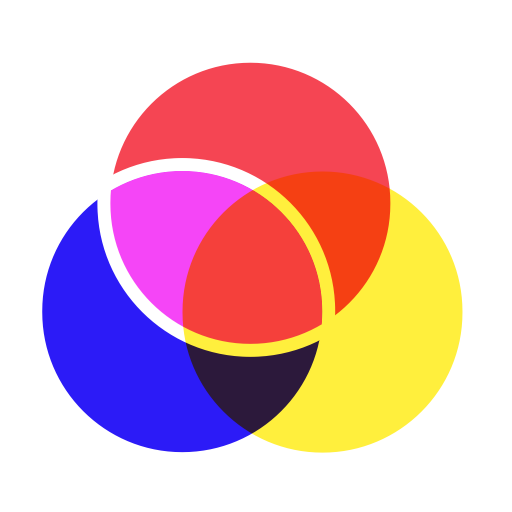
Color Wheel
Red hue range: 355° - 10°
Red Orange hue range: 11° - 20°
Orange hue range: 21° - 40°
Orange Yellow hue range: 41° - 50°
Yellow hue range: 51° - 60°
Yellow Green hue range: 61° - 80°
Green hue range: 81° - 140°
Green Cyan hue range: 141° - 170°
Cyan hue range: 171° - 200°
Cyan Blue hue range: 201° - 220°
Blue hue range: 221° - 240°
Blue Purple hue 241° - 280°
Purple hue 281° - 320°
Purple Pink hue 321° - 330°
Pink hue 331° - 345°
Pink Red hue 346° - 354°
What is a color wheel?
A color wheel is a circular visual representation of colors, organized in a specific order. It illustrates the relationships between primary, secondary, and tertiary colors, as well as their various shades, tints, and tones. The color wheel is a fundamental tool used by artists, designers, and enthusiasts alike to explore and create captivating color combinations.
At its core, the color wheel is a circular representation of colors, organized in a logical order. It provides a visual roadmap of how colors relate to one another. The primary colors—red, blue, and yellow—occupy the three key positions on the color wheel. These hues are considered fundamental, as they cannot be created by mixing other colors.
When you mix equal parts of two primary colors, you get the secondary colors. They are positioned between the primary colors on the wheel. Mixing red and blue gives you purple, blue and yellow create green, and yellow and red produce orange. Secondary colors bridge the gap between their parent primary colors.
Further expanding the color spectrum, we have tertiary colors. These hues result from mixing a primary color with an adjacent secondary color on the wheel. Tertiary colors include red orange, orange yellow, yellow green, blue green, blue purple and red purple. They provide subtler variations and more nuanced shades.